A Beginner’s Guide to Starting a Perennial Garden in Northern Colorado
Things to Consider before Starting Your Garden
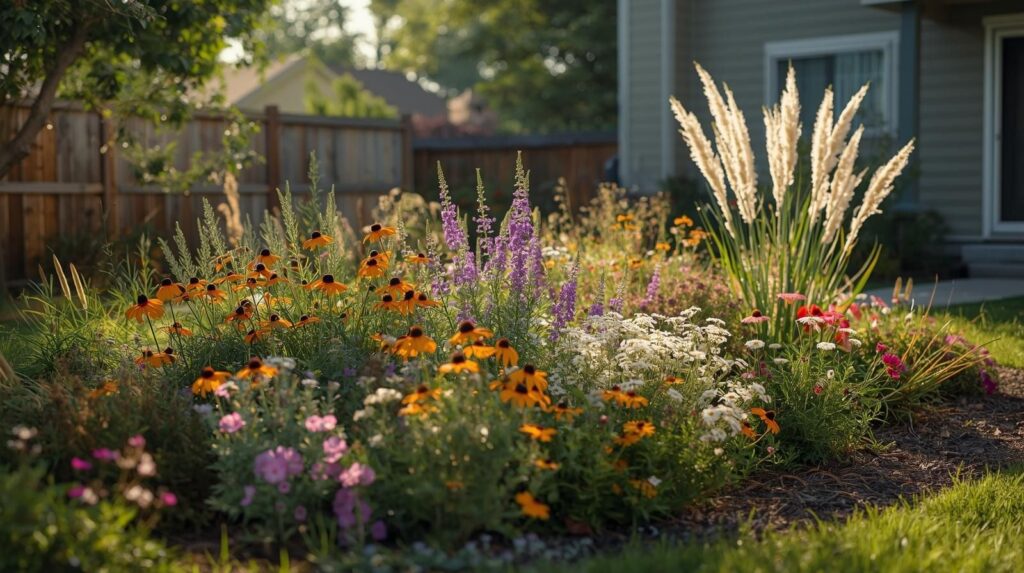
Starting a home perennial flower garden in Fort Collins can be enjoyable and approachable as long as you plan with climate (planting zone 5a and 5b), sun exposure, soil quality and watering needs in mind.
- Northern Colorado is prone to cold winters, late spring frosts, and relatively short growing seasons, so choosing hardy, cold-tolerant perennials is key.
- Pay close attention to your garden’s sunlight exposure, soil quality, and drainage.
- Watering is another important factor in this semi-arid region—new plants need consistent moisture to establish, even if mature perennials are drought-tolerant.
With thoughtful preparation and realistic expectations, you can create a resilient and beautiful perennial garden that returns year after year.
Planning for the Climate
Choosing perennial flowers for zones 5a and 5b means focusing on plants that can handle both cold winters and unpredictable late spring frosts. Start by checking a plant’s hardiness rating—look for perennials labeled for zone 5 or lower, which ensures they can survive winter temperatures that often dip well below freezing.
Popular beginner-friendly choices include coneflowers, black-eyed Susans, daylilies, and peonies, all of which are known for their resilience and ability to bounce back after harsh conditions. It’s also helpful to choose plants with a reputation for frost tolerance, especially in early spring when sudden temperature drops are common.
Fall Planting
- Timing your planting is just as important as choosing the right plants. In the fall, aim to plant perennials about 4–6 weeks before the ground freezes, which in northern Colorado is typically late September through mid-October. This gives roots time to establish before winter dormancy without encouraging too much top growth. Apply a layer of mulch after the ground cools to help protect roots from freeze-thaw cycles.
Spring Planting
- In the spring, patience is key. While it may be tempting to plant as soon as the weather warms, zones 5a and 5b often experience late frosts well into May. A good rule of thumb is to wait until after your average last frost date—usually mid- to late May in this region—before planting most perennials outdoors. Even then, keep an eye on the forecast and be prepared to cover young plants if a cold snap is predicted.
Planning for Sun Exposure
When choosing perennial flowers for your Northern Colorado garden, sunlight is one of the most important factors to get right. Even the hardiest plants will struggle if they’re placed in the wrong light conditions.
Before planting, take time to observe your yard throughout the day. Note which areas receive full sun (6+ hours of direct light), partial sun (about 3–6 hours), or full shade (less than 3 hours).
- Full sun: look for tough, drought-tolerant perennials that thrive in intense light and dry conditions. Examples include coneflowers (Echinacea), black-eyed Susans (Rudbeckia), and Russian sage (Perovskia).
- Partial sun: plants that prefer a mix of sun and shade often benefit from morning light and afternoon protection. Good choices include daylilies (Hemerocallis), columbines (Aquilegia), and garden phlox (Phlox paniculata).
- Shade: for shadier spots, such as areas under trees or along the north side of your home, choose plants that don’t rely on strong sunlight. Consider planting hostas, astilbe or bleeding heart (Dicentra).
By carefully matching plants to your garden’s natural light conditions, you’ll set yourself up for a healthier, more vibrant perennial garden.
Planning for Soil
Poor soil can limit growth, reduce flowering, and lead to plant stress. Soil affects how well water drains, how roots develop, and how nutrients are delivered—all critical factors in a region with temperature extremes and low natural moisture.
Northern Colorado soils vary widely, but many gardeners encounter clay-heavy or sandy soils. Clay soils are common along the Front Range and tend to hold water tightly. While this can be helpful during dry periods, clay often drains poorly, which can lead to root rot—especially during spring snowmelt or heavy rains.
On the other hand, sandy soils drain very quickly and are easier to work with, but they don’t retain moisture or nutrients well, meaning plants may dry out faster and require more frequent watering and feeding.
Good garden soil ideally falls somewhere in between these extremes, often referred to as “loamy” soil. Loam provides balanced drainage while still holding enough moisture and nutrients for healthy plant growth. Because many native soils in northern Colorado don’t naturally have this balance, soil improvement is often necessary.
The Colorado State University Extension recommends amending soil with organic matter to improve both clay and sandy conditions. Adding compost, well-aged manure, or other organic materials helps break up dense clay, improving drainage and aeration. In sandy soils, these same amendments increase water and nutrient retention. It’s generally advised to mix 2–3 inches of organic matter into the top 6–12 inches of soil before planting.
Three Perennial Flowers that may tolerate soil with more clay:
- Daylilies (Hemerocallis) are one of the easiest perennials you can grow in clay soil. They’re incredibly adaptable, tolerate both wet and dry conditions
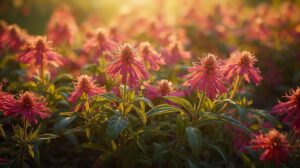 once established, and come in a wide range of colors. Their thick roots help them push through dense soil, making them a great choice for tough spots.
 - Black-eyed Susans (Rudbeckia) are another excellent option. These bright, cheerful flowers are very hardy and can tolerate clay soil as long as it isn’t constantly waterlogged. They’re alsodrought-tolerant once established and attract pollinators, making them a practical addition to your garden.
- Bee balm (Monarda) thrives in heavier soils that retain some moisture, which makes it well-suited for clay. It produces vibrant, shaggy blooms that attract bees, butterflies, and hummingbirds. Bee balm does best in soil that doesn’t dry out too quickly, so clay can actually work in its favor.
Even with these adaptable plants, it’s still helpful to improve your soil over time by mixing in compost or other organic matter. This g
radually improves drainage and root health while still allowing you to take advantage of clay soil’s nutrient-holding benefits.
Three Perennial Flowers that may tolerate soil with more sand:
Sandy soil can actually be a great asset in zones 5a and 5b—as long as you choose perennials that thrive in fast-draining, lower-moisture conditions. These soils warm up quickly in spring and are easy to work with, but they don’t hold water or nutrients for long. The best plants for sandy soil are those that prefer good drainage and don’t mind a bit of dryness.
- Blanket flower (Gaillardia) is an excellent choice for sandy soil. It loves full sun, tolerates drought and produces bright red, orange, and yellow blooms in the summer. It actually performs better in lighter, well-drained soils than in heavy clay.
- Lavender (Lavandula) is another standout. Known for its fragrant foliage and purple flower spikes, lavender thrives in sandy, well-drained soil and can struggle in heavier soils that stay too wet. Once established, it requires very little water and is perfect for hot, sunny spots.
- Yarrow (Achillea) is a tough, adaptable perennial that does especially well in sandy conditions. Its feathery foliage and flat-topped flower clusters add texture to the garden, and it’s highly drought-tolerant. Yarrow also attracts pollinators and blooms reliably even in less fertile soils.
Even though these plants are well-suited to sandy soil, adding organic matter like compost can still be beneficial. It helps the soil retain a bit more moisture and nutrients without compromising drainage, giving your perennials a better foundation to establish and thrive.
Planning for Water
It’s important to match your plant choices to how much water you’re willing and able to provide. Perennials generally fall into three categories: low, moderate, and high water needs.
Low-water (or drought-tolerant) perennials are ideal for gardeners who want a more hands-off approach. These plants—once established—can thrive with minimal supplemental watering and are well-suited to Colorado’s dry summers.
Examples:
- Purple coneflower (Echinacea purpurea) is a standout native perennial known for its resilience. It handles heat, drought, and poor soil with ease, and its daisy-like purple blooms attract bees and butterflies all summer long. Once established, it rarely needs supplemental watering.
- Yarrow (Achillea millefolium) is another excellent low-water choice. Its feathery foliage and flat-topped flower clusters come in shades of yellow, pink, red, and white. Yarrow thrives in dry, sunny conditions and actually prefers soil that isn’t too rich or moist, making it perfect for water-wise gardens.
- Blanket flower (Gaillardia) brings bright, warm colors to the garden and blooms for a long season. It’s extremely drought-tolerant and does best in sandy or well-drained soils. Overwatering can actually harm it, so it’s ideal for gardeners looking to conserve water.
Moderate-water perennials need consistent moisture, especially during hot weather, but don’t like soggy soil.
Examples:
- Shasta daisy (Leucanthemum × su
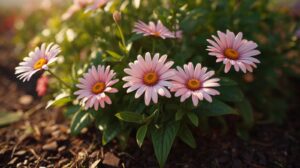 perbum) is a classic, beginner-friendly perennial with bright white petals and yellow centers. It prefers evenly moist, well-drained soil and full sun. While it’s somewhat drought-tolerant once established, it blooms best with regular watering, especially during hot, dry stretches.
 - Garden phlox (Phlox paniculata) is another excellent choice for moderate watering. Known for its fragrant, colorful flower clusters, it thrives in soil that stays consistently moist but not waterlogged. In northern Colorado’s dry climate, it benefits from deep watering once or twice a week during the growing season.
- Columbine (Aquilegia), a favorite native and ornamental plant in Colorado, also fits into the moderate-water category. It prefers partial sun and evenly moist soil, particularly in spring when it’s actively growing and blooming. While somewhat adaptable, it performs best when it doesn’t dry out completely.
With moderate-water perennials, the goal is consistency. Water deeply and less frequently rather than giving shallow, frequent waterings. This encourages deeper root growth and helps plants become more resilient over time.
High-water perennials require regularly moist soil and may need frequent watering, particularly if planted in full sun or sandy soil. These plants prefer consistently damp soil and may struggle in northern Colorado’s dry conditions without supplemental irrigation.
Examples:
- Astilbe (Astilbe spp.) is a classic high-water perennial that thrives in partial to full shade. It produces soft, feathery plumes in shades of pink, red, and white. Astilbe requires consistently moist soil and will quickly wilt or brown if it dries out, making it ideal for shaded areas with irrigation or naturally higher moisture.
- Ligularia (Ligularia dentata) is another moisture-loving perennial with bold foliage and tall spikes of yellow or orange flowers. It prefers partial shade and rich, consistently wet soil. In hot, dry conditions, its large leaves will droop if it doesn’t receive enough water, so it’s best planted in protected areas.
- Cardinal flower (Lobelia cardinalis) is a striking native plant with vivid red blooms that attract hummingbirds. It naturally grows in moist environments and does best in soil that stays evenly wet. While it can tolerate some sun, it performs especially well in partial shade with regular watering.
If you choose high-water perennials, placement is important. Consider planting them in areas where water collects, near downspouts, or in garden beds with amended soil that retains moisture. Adding mulch can also help keep soil consistently damp and reduce evaporation.
It’s also important to understand that “established” plants and “newly planted” ones have different needs. Even drought-tolerant perennials require regular watering during their first growing season while their roots develop. After that, many can handle longer periods between watering. This is especially important in areas with fast-draining sandy soil, where water doesn’t linger.
Your garden’s layout should reflect these differences. Group plants with similar water needs together—this is often called “hydrozoning.” Doing so makes watering more efficient and prevents overwatering some plants while under watering others. Keep in mind that soil type also plays a role: clay soils hold moisture longer, while sandy soils dry out quickly.
In Summary
Starting a perennial garden in Fort Collins (zones 5a and 5b) requires planning around climate, sun exposure, soil, and water because of cold winters, late frosts, and short growing seasons. Success depends on choosing hardy perennials, planting at the right time in spring or fall, and matching plants to your site conditions.
Sunlight and soil conditions are especially important for healthy growth. Gardens here often have clay or sandy soil, so improving drainage and nutrient balance with compost is recommended. Plants should also be grouped by water needs—low, moderate, or high—since northern Colorado is dry and new plantings require consistent moisture to establish.
With thoughtful plant selection, proper timing, and attention to site conditions, beginners can build a resilient perennial garden that thrives and returns year after year.